
Build Your Healthy Shopping List
Discover the essential guide to selecting nutrient-dense foods, understanding grocery labels, and creating meal plans that support your wellness journey. Expert advice from our editorial team on making smart food choices.
Seasonal Produce Alert
Peak Season Picks for UK Winter & Spring
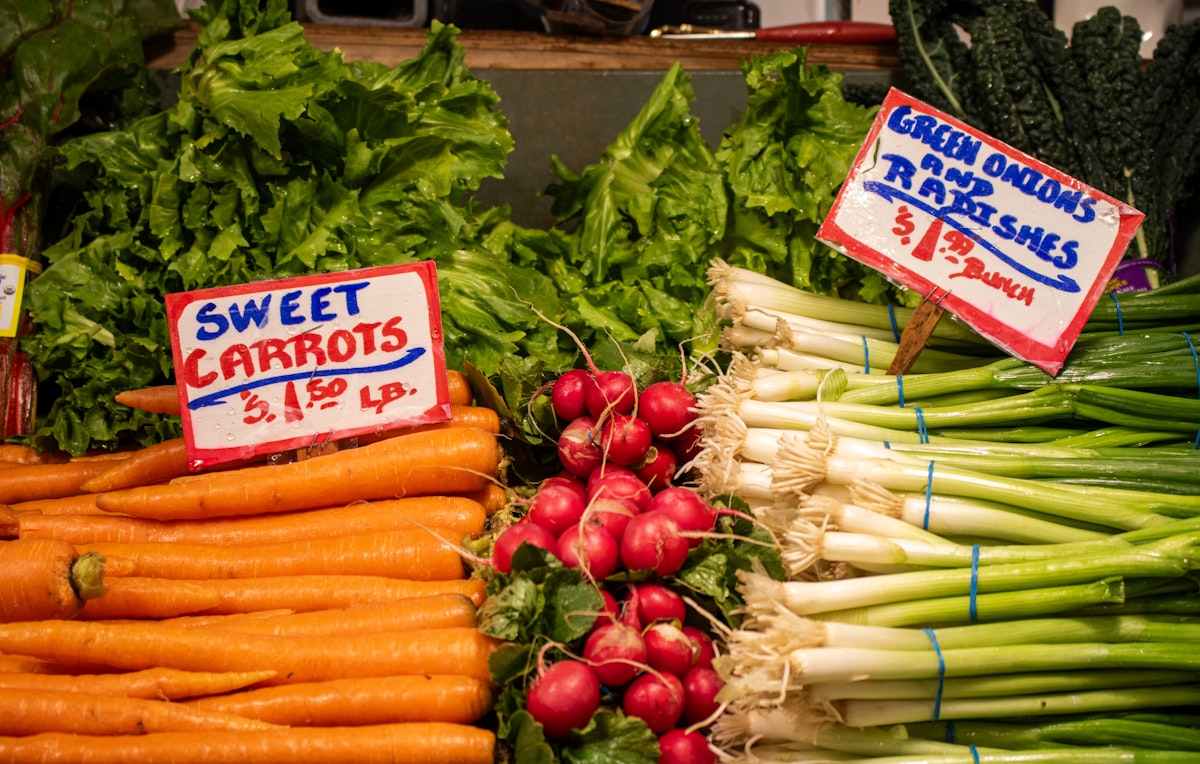
Timing your grocery shopping with seasonal availability ensures you get produce at peak freshness, better nutritional value, and often lower cost. During winter months across the UK, root vegetables like carrots, parsnips, and beetroot reach optimal ripeness. Spring brings fresh leafy greens, asparagus, and early peas that are nutrient-dense and flavourful. Our editorial team recommends building your shopping list around what's in season in your region for maximum nutritional benefit.
- Root vegetables: peak October–March
- Leafy greens: abundant year-round
- Berries: peak May–September
- Citrus: peak November–April
Fresh Grocery Categories
Vegetables
Learn to select vibrant, firm vegetables rich in vitamins and minerals. Our guide covers how to identify peak ripeness, proper storage techniques, and nutritional highlights of vegetables from leafy greens to cruciferous options.
Read moreFruits
Discover how to choose fresh, nutrient-rich fruits at the peak of their season. Our editorial team explains fibre content, natural sugars, antioxidant profiles, and practical tips for storage to maintain freshness and nutritional value.
Read moreProteins
Explore diverse protein sources including fresh fish, poultry, legumes, and plant-based options. We cover how to evaluate quality, understand nutritional profiles, identify sustainable choices, and incorporate variety into your shopping basket.
Read moreDairy & Alternatives
Navigate the dairy aisle with confidence. We guide you through selecting yoghurt with probiotics, understanding milk options, and exploring plant-based alternatives. Learn about nutritional content and how to read labels effectively.
Read moreGrains & Seeds
Learn to select whole grains, seeds, and plant-based staples that provide sustained energy and essential nutrients. Our experts explain fibre content, preparation methods, and how to identify genuinely nutritious whole grain products.
Read moreHerbs & Spices
Discover fresh herbs and spices that enhance both flavour and nutritional value. We explore antioxidant properties, freshness indicators, and practical storage tips for maximising the health benefits of these flavourful additions to your meals.
Read moreSmart Shopping Workflow
Plan Your Meals
Outline your meal plans for the week ahead. Consider nutritional balance, seasonal availability, and dietary preferences to create a structured shopping strategy.
Check Your Pantry
Review existing groceries at home to avoid duplicate purchases and ensure efficient use of ingredients already in your kitchen.
Create Your List
Use our healthy food list guide to build a comprehensive shopping list organised by category and aligned with nutritional goals.
Shop Smart
Apply our label-reading tips, freshness checks, and quality indicators when shopping to ensure you select the most nutritious options.
Organic vs Conventional: Understanding the Difference
When building your healthy shopping list, understanding the nuances between organic and conventional produce helps you make informed decisions aligned with your priorities and budget. Both options contribute to a nutritious diet when selected carefully.
Organic Produce Benefits
Organic farming avoids synthetic pesticides and fertilisers. For produce like strawberries, spinach, and apples that traditionally have higher pesticide residues, organic options may be worthwhile. However, nutrient density depends more on soil quality and ripeness than certification.
Conventional Advantages
Conventionally grown produce is thoroughly inspected and residue testing is rigorous. For items with thicker skins like bananas and avocados that you don't eat, the distinction is minimal. Affordability means you can purchase more variety and volume.
Strategic Approach
Many nutritionists recommend a balanced approach: prioritise organic for the "Dirty Dozen" high-pesticide items, choose conventional for items with protective skins, and focus on consuming more produce overall rather than getting caught up in certification status alone.
Frequently Asked Questions
Fresh produce should be firm to the touch (not soft or mushy), have vibrant colour, and lack visible blemishes or decay. For leafy greens, check that leaves are crisp and perky rather than wilted or yellowing. Smell is also a reliable indicator—ripe fruit often has a pleasant aroma. Avoid items with wrinkled skin (unless that's natural for the variety), sticky residue, or mold. For root vegetables, select ones that are heavy for their size, indicating good moisture content. Always inspect the bottom of packages to ensure nothing is crushed or leaking.
Nutrition labels in the UK show servings per package and amounts per serving for calories, total fat, saturated fat, carbohydrates, sugars, fibre, protein, and sodium. The key is understanding serving size—labels often show unrealistically small portions to make products appear healthier. Pay attention to:
- Added sugars: Aim for products with less than 10% of daily calories from added sugar
- Fibre: Look for at least 3g per serving in whole grains and vegetables
- Sodium: Less than 120mg per 100g is considered low sodium
- Ingredients list: Recognisable whole foods should appear at the beginning, not ultra-processed additives
Use the nutrition label as a comparison tool between similar products rather than as absolute authority. Fresh whole foods often have no label at all, making them excellent choices.
Proper storage extends shelf life and preserves nutrient content. General guidelines include:
- Leafy greens: Store in sealed containers with paper towels to absorb moisture; they last 5-7 days
- Root vegetables: Keep in cool, dark places in loose bags; they store for weeks
- Berries: Store unwashed in the coldest part of your fridge; use within 3-5 days
- Herbs: Treat like flowers—place stems in water and cover loosely with plastic
- Grains: Keep in airtight containers away from heat and light; they last months
Don't store all fruits and vegetables together; ethylene-producing foods like apples and tomatoes will speed ripening in nearby items. Remove packaging that traps moisture, which promotes decay.
Healthy eating doesn't require a premium budget. Strategic approaches include:
- Buy in season: Seasonal produce is cheaper and more flavourful
- Shop with a list: Prevents impulse purchases and keeps you focused on planned meals
- Frozen vegetables: Just as nutritious as fresh, often cheaper, and last longer
- Bulk whole grains: Buy rice, lentils, and oats in bulk bins for significant savings
- Compare unit prices: Larger packages often cost less per kilogram
- Choose store brands: Quality is often equivalent to name brands at lower cost
Focus on whole foods rather than processed "health" products, which often carry premium pricing. Eggs, tinned beans, frozen vegetables, and seasonal produce offer excellent nutrition per pound spent.
What Our Readers Say
"The healthy shopping list guide completely transformed how I approach the grocery store. I used to just grab items randomly, but now I plan carefully and actually save money while eating better. The label-reading tips are particularly valuable—I never realised how much hidden sugar was in products I thought were healthy. Highly recommend this resource for anyone serious about improving their diet."
Margaret Patterson
Edinburgh, Scotland
"As someone who works long hours, I need to shop efficiently. This guide helped me understand which items provide the best nutritional bang for my buck and how to store them properly so nothing goes to waste. The seasonal produce recommendations are brilliant—I've discovered new foods I actually enjoy eating. The fact that it's free educational content makes it even better. I've already shared it with my whole family."
James Harrison
Manchester, England
"I've struggled with understanding what healthy eating actually means, but this resource breaks it down so clearly. The section on organic vs conventional finally helped me stop feeling guilty about not buying all organic. Now I shop smarter, focus on whole foods, and feel confident about my choices. The workflow steps in particular helped me structure my shopping trips and cut down on impulse buys significantly."
Sarah Newcastle
London, England
"This guide is refreshingly evidence-based without being preachy or judgmental. I appreciate that it acknowledges budget constraints and doesn't push unnecessary organic products. The storage tips alone have saved me so much money on wasted groceries. The FAQ section answers questions I didn't even know I had. Worth bookmarking and referring back to regularly."
David Richardson
Belfast, Northern Ireland
Download Your Healthy Shopping Checklist
Get a free, printable checklist organised by grocery categories. Use it on your next shopping trip to ensure you're selecting nutrient-dense foods aligned with your wellness goals.
Stay Updated with Our Content
Subscribe to receive updates when we publish new articles about healthy grocery shopping, nutrition science, and practical wellness tips.
We respect your privacy. Unsubscribe at any time from any email we send.